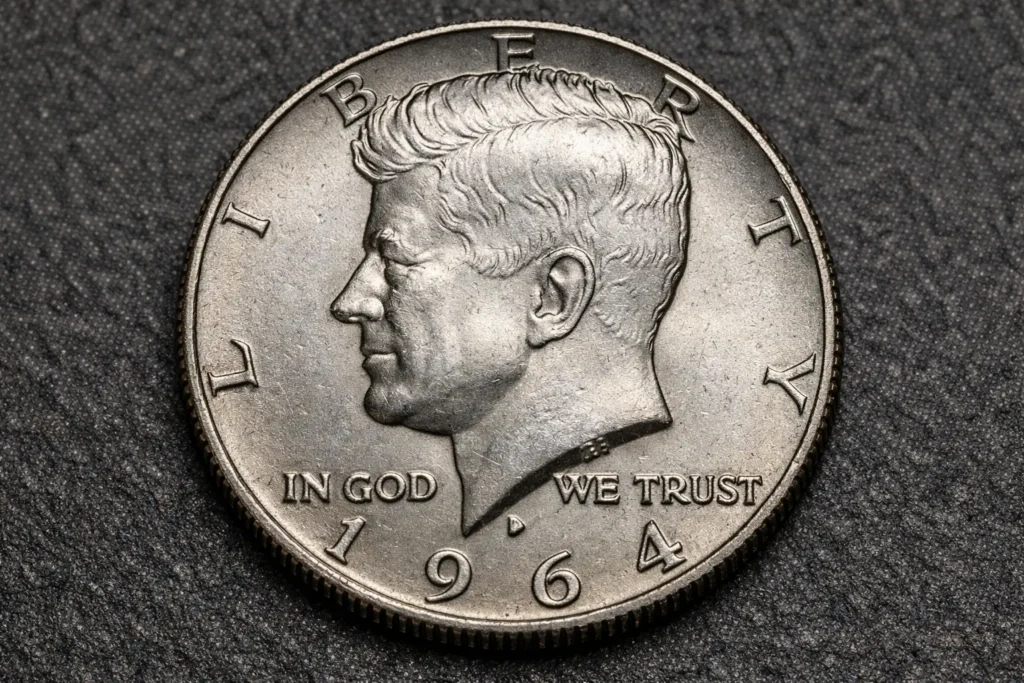
The idea of finding a Kennedy half dollar worth a fortune is exciting. This guide explains what could make a Kennedy half dollar extremely valuable and how to check your coin carefully.
What is the 14 Million Kennedy Half Dollar?
The phrase can mean two things: a headline claiming a Kennedy half-dollar sold for a very large sum, or a reference to a production figure. Either way, the key question for collectors is whether a given Kennedy half dollar has rare features or provenance that make it valuable.
Most Kennedy half dollars are common and hold face value or modest collector value. Only coins with exceptional rarity, errors, or historical importance reach five- or six-figure prices.
Why a Kennedy Half Dollar Might Be Extremely Valuable
Several factors increase a coin’s value beyond its metal content. Look for these characteristics when you inspect a Kennedy half dollar.
- Major die errors such as double dies, off-center strikes, or die breaks.
- Unique varieties or very low-mintage issues with strong collector demand.
- Exceptional condition and high professional grades from reputable services.
- Provenance linking a coin to a famous hoard or important owner.
Metal content and date
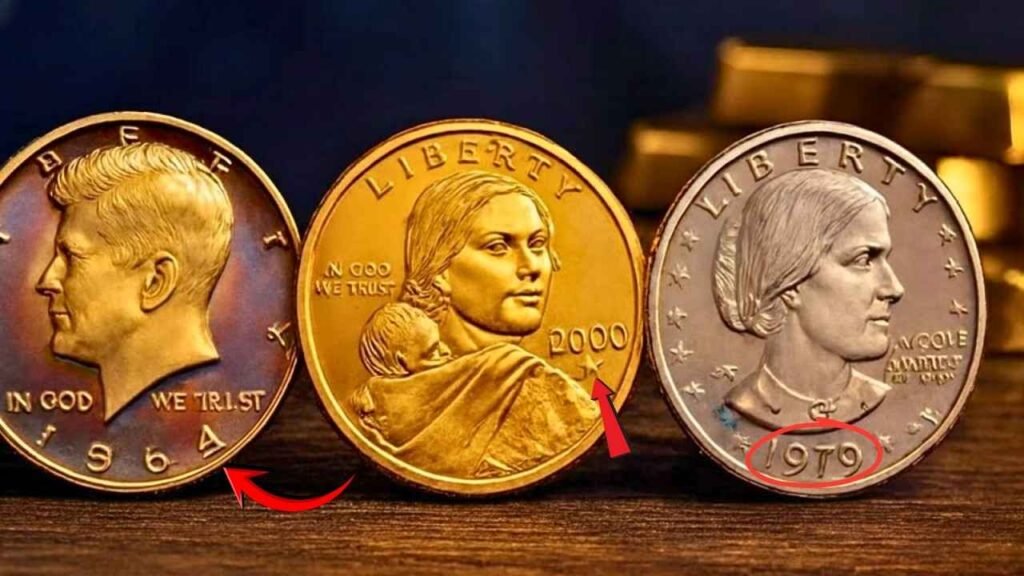
Check the date first. Kennedy halves from 1964 are 90% silver, while those from 1965–1970 are 40% silver. From 1971 onward they are copper-nickel clad. Silver content affects intrinsic value but not collector value for rare errors.
How to Identify a Kennedy Half Dollar That Could Be Valuable
Work methodically. Start with visual inspection, then use tools and, if warranted, get professional help. Follow these steps to evaluate your coin.
1. Visual inspection
Use strong light and magnification. Look for doubling on the date, lettering, or portrait. Check for unusual shapes, misaligned designs, or raised lumps from planchet defects.
2. Weight and dimensions
Weigh the coin and measure its diameter and thickness. Differences from standard specifications can indicate a wrong planchet or an altered coin.
3. Mint marks and varieties
Note the mint mark and compare the date and mint pairing to known rarities. Some mint-marks and variations are much scarcer than others.
4. Condition and surface
Assess wear, scratches, and toning. High-grade uncirculated coins command much higher prices. Avoid cleaning the coin because cleaning usually reduces collector value.
When to Get a Coin Graded
Send a coin for professional grading only if initial checks suggest rarity or exceptional condition. Grading provides authentication, condition certification, and market confidence.
Top grading services include PCGS and NGC. Expect submission fees and handling times; these vary by declared value and service speed.
Where to Sell a Potentially Valuable Kennedy Half Dollar
If grading confirms rarity, choose the selling venue carefully. Options include major auction houses, reputable coin dealers, or specialized online auction platforms.
- Auction houses: Good for high-value, well-documented coins with provenance.
- Reputable dealers: Faster sales, but expect dealer commissions.
- Online marketplaces: Wide audience but require clear photos and trusted payment methods.
Real-World Case Study
A private collector submitted a Kennedy half dollar that looked ordinary at first glance. Under magnification it showed strong doubling on the obverse date and lettering. The coin was sent to a major grading service and received a high certification for a rare doubled die variety.
After professional grading, the coin sold through a specialist auction for several thousand dollars. The outcome shows how small, hard-to-see errors can change value dramatically when verified and marketed properly.
Some Kennedy half-dollar varieties are identified only by tiny die markers that experts spot under 10x magnification. Professional catalogs and die guides list these markers for reference.
Practical Tips Before You Act
Follow a conservative process. Don’t assume high value without verification. Use reputable resources and avoid quick online appraisals that lack documentation.
- Photograph your coin with a plain background and good lighting.
- Consult reference guides and auction records for similar varieties.
- If in doubt, get a professional numismatist’s opinion before submission or sale.
Summary: Could Yours Be One?
Most Kennedy half dollars are not worth extraordinary sums, but a small number of coins can be highly valuable. Look for rare errors, verified varieties, excellent condition, and solid provenance.
If your coin shows unusual features, document it, seek expert advice, and consider professional grading. With the right combination of rarity and proof, your Kennedy half dollar could be worth significantly more than face value.
Good luck inspecting your coins, and remember that careful, measured steps protect both the coin and your potential return.