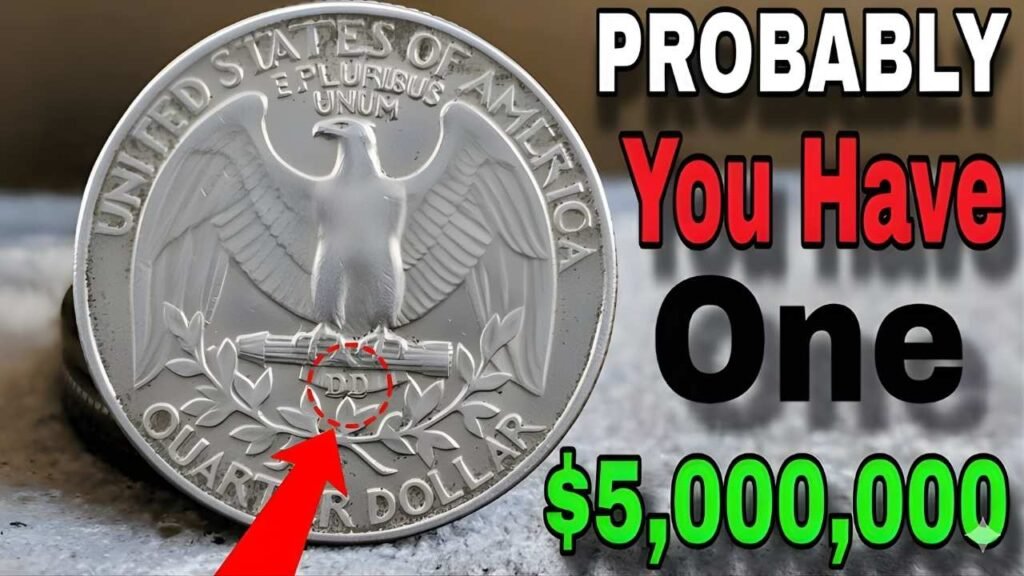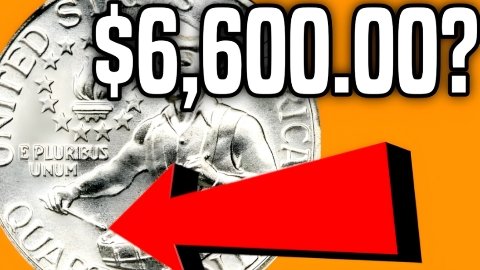
Ever pulled a 1776-1976 quarter from your pocket change and wondered if it’s special? These Bicentennial quarters were made to celebrate America’s 200th birthday in 1976. They show George Washington on the front and a colonial drummer boy on the back, with “1776-1976” dates. Billions were produced, so most are worth just 25 cents. But some rare versions—especially those with silver content, perfect condition, or minting mistakes—can fetch hundreds or even thousands of dollars in 2026. With coin collecting booming, these “Drummer Boy” quarters are getting more attention. This guide explains their history, what makes them valuable, and the top rare ones to watch for.
Quick History of the Bicentennial Quarter
In 1975 and 1976, the U.S. Mint released special quarters (along with half dollars and dollars) for the nation’s bicentennial. The reverse design changed to a drummer boy by Jack L. Ahr, surrounded by 13 stars for the original colonies. Regular clad (copper-nickel) versions came from Philadelphia (no mint mark) and Denver (D). Special 40% silver versions were made in San Francisco (S) for collectors. Over 1.8 billion clad quarters were minted, making common ones easy to find. But errors, high-grade examples, and silver proofs stand out in today’s market.
What Makes a Bicentennial Quarter Valuable?
Value depends on a few key factors:
- Composition: Clad (copper-nickel) for everyday use vs. 40% silver for proofs and some uncirculated sets.
- Condition: Coins graded MS (Mint State) or PR (Proof) by services like PCGS or NGC fetch big premiums if flawless.
- Mint Mark: P (Philadelphia), D (Denver), or S (San Francisco).
- Errors and Varieties: Mistakes like doubled designs, off-center strikes, or wrong planchet (material) make them unique.
- Rarity: Low survival in top shape or dramatic errors drive prices up.
In 2026, silver prices and collector demand keep pushing values higher for the best pieces.
Top 10 Rare Bicentennial Quarters and Their 2026 Values
Here are standout rare examples based on recent auction records and market trends. Values vary by grade (condition), but these ranges reflect circulated (used) to high uncirculated/proof levels.
| Rank | Coin Description | Mint | Key Feature | Typical Value Range (2026) |
|---|---|---|---|---|
| 1 | 1976-S Silver Proof (Ultra-High Grade) | S | 40% silver, near-perfect proof | $10,000 – $20,000+ |
| 2 | 1976-S Silver Proof (Strong Examples) | S | 40% silver, high-grade proof | $7,000 – $13,500 |
| 3 | Double Denomination (Struck on Dime Planchet) | Various | Error: Quarter design over dime | $9,000 – $10,000+ |
| 4 | 1976-D Clad Doubled Die Obverse (High Grade) | D | Doubling on letters/date | $5,000 – $8,400+ |
| 5 | 1976-D Clad Superb Uncirculated | D | Pristine business strike | $3,000 – $6,600+ |
| 6 | Off-Center Strike or Double Struck Error | Various | Dramatic misalignment | $1,000 – $8,800+ |
| 7 | 1976 Clad Mule Error (Mismatched Dies) | Various | Rare mismatch (if exists) | Thousands to $100,000+ (speculative) |
| 8 | Wrong Planchet Strike (e.g., on Nickel or Dime Stock) | Various | Struck on wrong metal | $2,000 – $9,200+ |
| 9 | High-Grade Silver Clad Uncirculated | S | 40% silver, MS67+ | $500 – $5,000+ |
| 10 | Doubled Die or Die Crack Varieties | Various | Noticeable doubling/errors | $150 – $5,000+ |
More Details on Key Rare Ones
- 1976-S Silver Proofs: These shiny collector versions in 40% silver are the most sought-after. Top-graded ones (like PR70 or close) have sold for five figures due to flawless mirrors and details.
- Error Coins: Mistakes happen during minting. A quarter struck on a dime planchet creates a double-denomination oddity—highly prized. Off-center strikes show missing design parts, while doubled dies make letters look thick or shadowed.
- 1976-D Varieties: Some show strong doubling on “LIBERTY” or the date. High-grade clad examples without errors but in superb shape still bring solid money.
Many dramatic errors sell in the thousands at auctions like Heritage or Stack’s Bowers.
Tips for Checking and Selling Your Bicentennial Quarters
Look through old jars, rolls from banks, or family collections. Use a magnifying glass to spot mint marks under the drummer, silver shine (silver ones weigh more and ring differently), or odd designs like doubling. Handle coins by edges to avoid damage. For valuable ones, get them graded by PCGS or NGC—certification boosts trust and price. Sell through reputable auctions, coin dealers, or online platforms. In 2026, demand from collectors keeps the market active.
Conclusion
Most 1776-1976 Bicentennial quarters are everyday pocket change worth face value, but the rare silver proofs, high-grade pieces, and exciting errors can turn a 25-cent coin into thousands—or more—in 2026. With America’s history tied to these coins and growing interest in numismatics, they’re fun to hunt and potentially rewarding. Start checking your change or old sets today. You might have a hidden gem waiting to be discovered!
FAQ
Are all Bicentennial quarters valuable?
No—most clad ones in average condition are worth only 25 cents. Silver versions and errors add real value.
How do I know if my Bicentennial quarter is silver?
Check the edge: silver ones have a solid silver rim (no copper stripe). They also weigh about 0.2 grams more and have a distinct ring when tapped.
What’s the rarest Bicentennial quarter error?
Dramatic ones like double denominations or mules top the list, with some auction sales in the thousands to tens of thousands.
Can I find valuable ones in circulation in 2026?
Yes—errors sometimes turn up in change or old rolls. High-grade silver proofs are usually from sets, not circulation.
Where should I sell a rare Bicentennial quarter?
Use certified auction houses, trusted coin dealers, or sites like eBay with grading. Always get an appraisal first for big-value pieces.