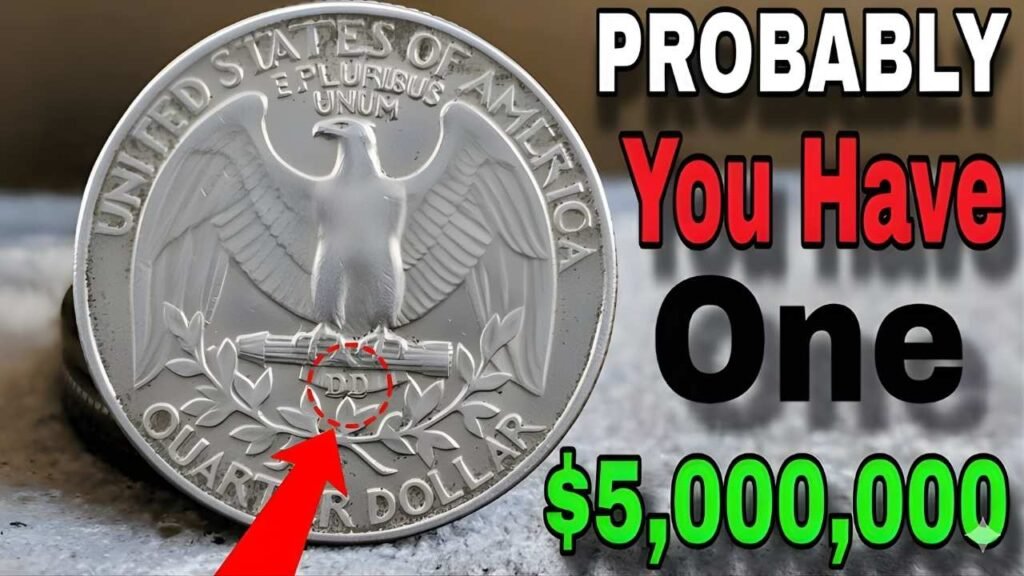
The 1976 Bicentennial quarter is one of the most iconic coins in U.S. history. Released to mark America’s 200th birthday, these special quarters feature a unique design that makes them stand out from regular coins. Millions were made in 1975 and 1976, so most are still worth just 25 cents. However, some rare versions, errors, or high-quality examples can be worth hundreds or even thousands of dollars today. If you’ve got some old quarters in a jar, this guide will help you discover if they’re valuable. Let’s explore everything about Bicentennial quarters in simple terms!
History Behind the Bicentennial Quarter
The United States celebrated its 200th anniversary (bicentennial) in 1976. To honor this, the U.S. Mint created special designs for the quarter, half dollar, and dollar coins. The Bicentennial quarter was actually produced in 1975 and 1976, but all carry the dual date “1776-1976.”
This was a big change from the usual George Washington quarters. The contest-winning design symbolized freedom and the original 13 colonies. Over 1.6 billion Bicentennial quarters were minted, making them very common – but that’s what creates excitement for rare finds!
Unique Design Features of the 1976 Quarter
Obverse Side (Front)
The front still shows George Washington’s portrait, just like regular quarters. But it has the special dual dating: 1776–1976 instead of a single year.
Reverse Side (Back)
Designed by Jack L. Ahr, the back features a colonial drummer boy holding a torch, surrounded by 13 stars (for the original colonies). There’s also a victory wreath around the torch. This patriotic design replaced the usual eagle and instantly became a collector favorite.
These coins were made in two main types: regular copper-nickel for everyday use and special silver versions for collectors.
Types of Bicentennial Quarters and Their Values
There are several varieties, and value depends on material, condition, and rarity.
| Type of Bicentennial Quarter | Material | Mint Mark (P, D, S) | Average Value (Circulated) | High-Grade/Uncirculated Value | Notes |
|---|---|---|---|---|---|
| Standard Circulation Strike | Copper-Nickel | No mint mark (Philadelphia), D (Denver) | $0.25 (face value) | $1–$5 | Most common, billions made |
| Silver Clad (Collector Sets) | 40% Silver | S (San Francisco) | $5–$10 (silver melt value) | $15–$50+ | Heavier, brighter edge; sold in proof/mint sets |
| Proof Version | Copper-Nickel or 40% Silver | S (San Francisco) | N/A (not circulated) | $10–$30 (copper-nickel), $20–$100+ (silver) | Mirror-like finish, sharp details |
| Uncirculated Mint Set | Copper-Nickel | P, D | N/A | $2–$10 | From official mint sets, better condition |
Silver versions are easy to spot – they have a silver-colored edge instead of copper. As of 2026, silver ones are worth at least their melt value (around $6–$8 depending on silver prices).
Rare Errors and Valuable Varieties to Hunt For
This is where the real money hides! Mint errors happened during production, creating super-rare coins. Here are the most valuable ones:
Top Valuable Bicentennial Quarter Errors
- Doubled Die Obverse/Reverse – Letters or designs look doubled. Can sell for $100–$1,000+ in high grade.
- Off-Center Strike – Design is misaligned (e.g., 30–50% off-center). Worth $200–$2,000 depending on severity.
- Wrong Planchet Errors – Struck on a dime or nickel planchet by mistake. Extremely rare, $1,000–$10,000+.
- No “S” Mint Mark on Silver Proofs – Rare missing mint mark varieties, up to $500–$2,000.
- Struck on Silver Planchet (Business Strike) – Regular circulation coin accidentally made in silver. Some have sold for $5,000–$15,000!
In 2026, top-graded error coins in MS-67 or higher can fetch thousands at auctions. Always get rare ones certified by PCGS or NGC for maximum value.
How to Check If Your Bicentennial Quarter Is Valuable
Follow these simple steps:
- Check the Date – Must be 1776-1976.
- Look at the Edge – Silver edge = 40% silver (valuable).
- Weigh It – Regular: 5.67 grams; Silver: 6.25 grams.
- Inspect for Errors – Use a magnifying glass for doubling, off-center strikes, or missing details.
- Check Condition – No wear, shiny surfaces = higher value (look for MS-65 or better).
- Mint Mark Location – On the front, right of Washington’s ponytail.
Pro tip: Search through rolls of quarters from banks or old coin collections – people still find treasures!
Grading and Current Market Prices in 2026
Condition is everything in coin collecting. Coins are graded from 1–70 (70 being perfect). A circulated Bicentennial quarter might be worth 25 cents, but a gem uncirculated one can be $20–$50. Proof silver in PR-70 Deep Cameo often sells for $100–$300.
Market trends show steady demand due to nostalgia. Silver prices rising in 2026 have boosted silver Bicentennial values even more.
Frequently Asked Questions (FAQs)
Q: Are all 1976 quarters valuable?
No, only silver ones, high-grade, or errors are worth more than 25 cents.
Q: Where can I sell my Bicentennial quarters?
eBay, Heritage Auctions, local coin shops, or sites like PCGS CoinFacts.
Q: What is the most expensive Bicentennial quarter ever sold?
Some extreme error coins have sold for over $15,000!
Q: Do Bicentennial quarters contain real silver?
Only the “S” mint proof versions are 40% silver.
Conclusion: Your Pocket Change Could Hold Real Treasure!
The 1976 Bicentennial quarter is more than just spare change – it’s a piece of American history that can still make you money today. While 99% are worth only face value, checking for silver content, errors, or perfect condition could turn a 25-cent coin into hundreds or thousands of dollars. In 2026, with rising precious metal prices and collector interest, these coins remain hot.
Grab a magnifier, dig through your old coins, and who knows – you might discover a hidden gem! Coin collecting is fun, educational, and sometimes very profitable. Start hunting your Bicentennial quarters today – the drummer boy might be beating out a fortune for you!