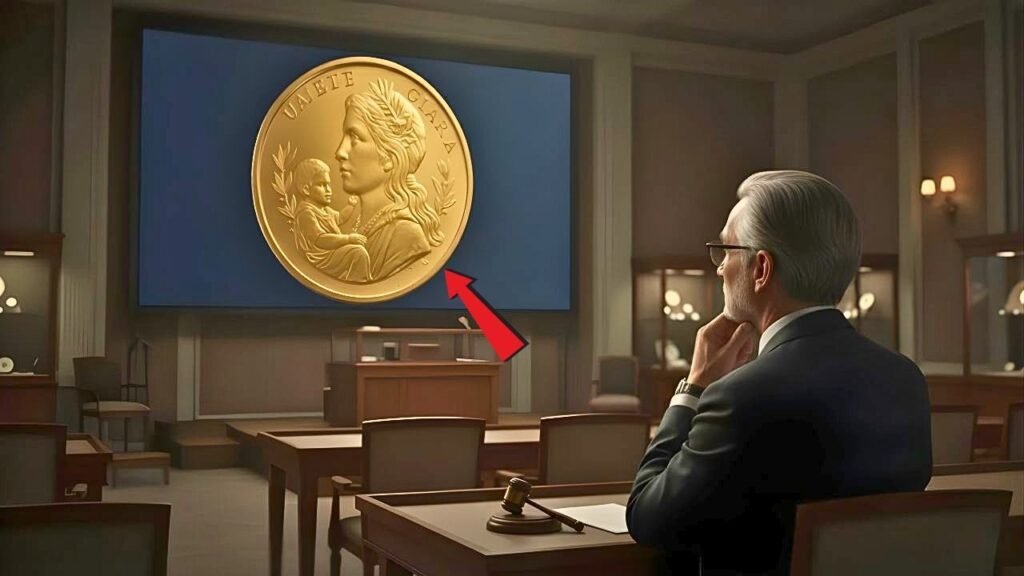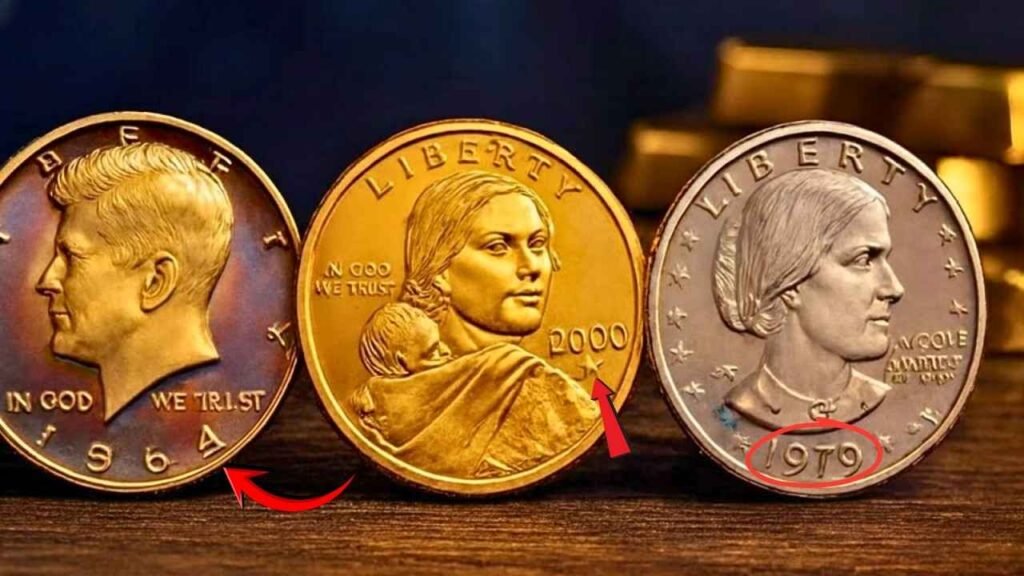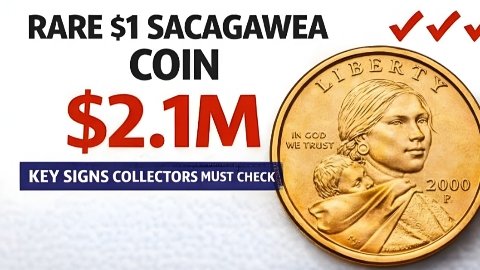
Stories of a Sacagawea dollar coin reaching $2.1 million have collectors buzzing in 2026. The Sacagawea $1 coin, introduced in 2000 with its golden color and portrait of Sacagawea (the Shoshone woman who aided Lewis and Clark) carrying her son, is usually worth face value or a small premium. Millions were made, so common examples stay at $1–$5. But rare varieties, special promotions, and dramatic mint errors have pushed some into high-value territory, with headlines claiming multi-million-dollar sales.
While no widely verified auction record shows a standard Sacagawea dollar hitting exactly $2.1 million, 2026 buzz often links this figure to ultra-rare errors, experimental strikes, or top-condition examples of famous varieties like the “Cheerios” promotion coin or the legendary mule error. These stories mix real auction highs with hype, driving more people to check their coins. This guide explains the facts, top rarities, realistic values, and how collectors view these in 2026.
History of the Sacagawea Dollar
Launched in 2000, the Sacagawea dollar aimed to replace the Susan B. Anthony dollar with better design and color (manganese-brass clad over copper core). The obverse shows Sacagawea and Jean Baptiste; the reverse features an eagle (changed in later years for Native American themes). Production was high for circulation, but low for some special issues. Errors happened early due to new processes, creating collector excitement.
In 2026, the series remains popular for modern error hunting and series completion, with demand boosted by online auctions and social media.
What Drives High Values for Sacagawea Dollars?
Key factors include:
- Rarity — Limited releases or few survivors.
- Errors — Mules (wrong dies combined), wrong planchet, or design flaws.
- Condition — High mint state (MS67+) or proof grades from PCGS/NGC.
- Special Varieties — Promotion coins or experimental pieces.
- Demand — In 2026, certified modern errors fetch premiums amid rising interest in post-2000 coins.
Professional grading is crucial—raw coins sell lower.
Top Rare Sacagawea Dollar Varieties and Their 2026 Values
Here are the most talked-about rarities, with ranges from recent trends and auction data (values approximate for circulated to top grades).
| Variety/Error | Year/Mint | Key Feature | Typical Value Range (2026) | Notes |
|---|---|---|---|---|
| 2000-P Cheerios Promotion | 2000 P | Enhanced eagle tail feathers; from cereal promo (5,500 made) | $5,000 – $25,000+ (MS68 up to $50,000+) | Early release variety; high-grade examples prized |
| 2000-P Sacagawea/Washington Quarter Mule | 2000 P | Mule error: Sacagawea obverse + quarter reverse | $50,000 – $200,000+ (MS66/MS67 examples) | Famous modern error; ~20–30 known; record around $194,000 |
| Wounded Eagle (Die Clash) | 2000 P | Clash marks on eagle’s breast | $45 – $5,500 (higher in top grades) | Common error but valuable in superb condition |
| Experimental/Goodacre Presentation | 2000 | Special satin finish or presentation strikes | $1,000 – $5,000+ | Designer compensation pieces |
| Gold Planchet or Transitional Errors (claimed) | 2000 | Alleged wrong metal strikes (e.g., gold) | Speculative $100,000+ to millions (unverified) | Often tied to $2.1M headlines; no confirmed public sales at this level |
| High-Grade Proof or Space-Flown (2000-W Gold) | 2000 W | Proof gold versions (space-flown examples) | $300,000 – $550,000+ each | Rare gold proofs; 2025 auctions hit $550,000 for flown ones |
Details on the $2.1 Million Claims
The $2.1 million figure appears in 2026 articles often describing:
- Hypothetical or unverified “gold planchet” errors (struck on wrong metal).
- Exaggerated values for Cheerios varieties or mules in perfect condition.
- Confusion with ultra-rare gold Sacagawea proofs (e.g., space-flown 2000-W gold dollars selling for $550,000 in recent auctions).
Real records show the mule error topping ~$194,000, Cheerios in high grade at $20,000–$50,000, and gold proofs at $550,000. The $2.1 million may stem from hype, private sales, or mix-ups with other rarities, but it fuels the thrill of modern coin hunting.
Tips for Checking Your Sacagawea Dollars in 2026
- Look for varieties — Check the eagle’s tail feathers (enhanced on Cheerios), mint mark “P” below Sacagawea, or mismatched sides (mule).
- Errors to spot — Wounded eagle (lines on bird), doubling, or odd weight/color.
- Condition — Full luster, no wear; handle by edges.
- Authentication — Submit to PCGS/NGC for grading—essential for high claims.
- Selling — Use Heritage, GreatCollections, or dealers; certified pieces fetch top prices.
Conclusion
The Sacagawea dollar shows how modern coins can become treasures through rarity, errors, and promotion quirks. While $2.1 million values are often exaggerated in headlines, real rarities like the mule error or Cheerios variety deliver impressive returns in 2026—sometimes tens or hundreds of thousands. These coins blend history (honoring Sacagawea) with the excitement of discovery. Check your old rolls, sets, or change with a magnifier—you might find something special. Numismatics keeps evolving, and modern series offer accessible fun with big potential. Happy collecting!
FAQ
Is there a Sacagawea dollar really worth $2.1 million?
Claims circulate in 2026 articles (often tied to alleged gold errors or top mules), but verified public auctions top out lower—around $194,000 for the mule and $550,000 for rare gold proofs. High figures may be hype or private deals.
What is the most valuable Sacagawea dollar error?
The 2000-P mule (Sacagawea + quarter reverse) leads, with sales near $200,000 in recent years due to extreme rarity.
How do I identify a Cheerios Sacagawea dollar?
Look for sharper, more detailed eagle tail feathers on the reverse compared to standard 2000 coins. These came from cereal boxes pre-release.
Are regular Sacagawea dollars worth anything beyond $1?
Most circulated ones are $1–$5; uncirculated or proofs add $5–$50. Errors or specials boost value significantly.
Where can I sell a rare Sacagawea dollar?
Trusted auction houses (Heritage, Stack’s Bowers, GreatCollections), certified dealers, or online platforms with grading. Get multiple opinions or appraisals for potential high-value pieces.