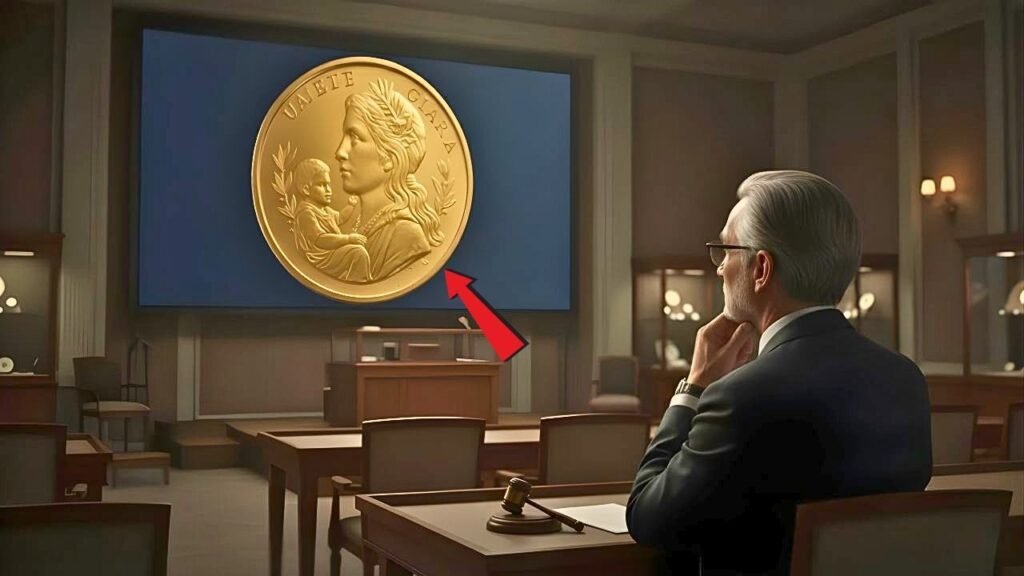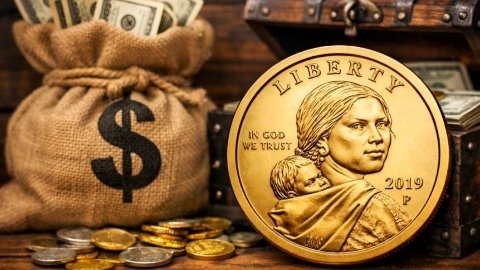
Ever pulled a shiny golden dollar from your change and wondered if it’s special? The 2019-P U.S. dollar coin—part of the Native American $1 series—has caught attention from collectors. Released by the U.S. Mint, this coin honors Mary Golda Ross, the first Native American female engineer in the aerospace industry. While most are common, certain versions, high grades, or rare errors make some worth far more than $1. In 2026, collector interest stays strong due to its historical meaning, modern appeal, and occasional error finds.
This guide explains the 2019-P dollar in simple terms, covers its value today, why people want it, and how to check if yours could be valuable. We’ll focus on the Native American (Sacagawea) type, as it’s the main “rare” 2019-P dollar discussed by collectors.
What Is the 2019-P Dollar Coin?
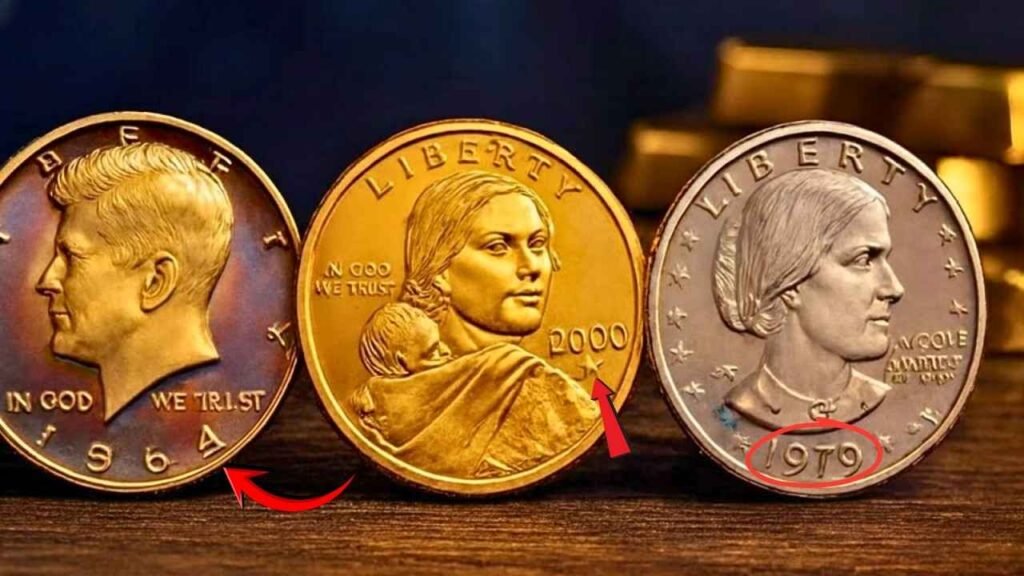
The U.S. Mint makes $1 coins with a golden color (manganese-brass clad). The front shows Sacagawea with her baby, a design used since 2000. The back changes each year to honor Native American contributions.
For 2019, the reverse celebrates “American Indians in the Space Program.” It shows Mary Golda Ross working on designs, with a satellite and the Apollo logo. The “P” mint mark (for Philadelphia) is below “IN GOD WE TRUST” on the front.
Mintage: About 1.4 million for regular 2019-P business strikes (coins made for circulation). A special enhanced uncirculated version came in limited sets (only about 47,000 sold).
Why Do Collectors Love the 2019-P Dollar?
This coin stands out for a few reasons:
- Historical tribute — Mary Golda Ross was a Cherokee woman who helped design spacecraft and satellites. It’s a nod to Native American achievements in STEM.
- Modern series — Native American dollars are still produced, but older years like 2019 gain interest as time passes.
- Collector demand — In 2026, people seek high-grade examples or errors. Social media and coin forums keep the buzz going, especially for enhanced versions or edge mistakes.
- Low premium for most — Easy to find in change or rolls, but pristine ones appeal to set builders.
Demand is steady but not explosive like major rarities. Enhanced and certified coins sell best.
Current Value in 2026
Most 2019-P dollars are worth face value ($1) if circulated (used). Uncirculated ones fetch small premiums. Here’s a breakdown based on condition and type:
- Circulated (worn from use): $1.00 – $1.50
- Uncirculated (no wear, mint luster): $3 – $10
- High-grade certified (MS65–MS67 by PCGS/NGC): $5 – $20+
- Enhanced Uncirculated (from special sets): $10 – $30+ (Specimen-70 perfect examples often hit $30–$50)
- Rare errors (like doubled edge lettering overlap): $50 – $200+ (some discovery pieces graded SP69 sold higher in auctions)
Values come from sites like NGC, PCGS, and recent sales. Condition matters most—clean, shiny coins without scratches bring more.
Here’s a simple table for quick reference:
| Condition/Type | Description | Estimated Value (2026) |
|---|---|---|
| Circulated | Normal wear from pocket change | $1.00 – $1.50 |
| Uncirculated (BU) | No wear, bright luster | $3.00 – $10.00 |
| MS65–MS67 (certified) | High quality, graded | $5 – $20+ |
| Enhanced Uncirculated | Special finish from Mint sets | $10 – $30+ |
| Specimen-70 (perfect enhanced) | Top grade from limited sets | $30 – $50+ |
| Error varieties (e.g., doubled edge) | Mint mistakes like overlap lettering | $50 – $200+ |
Prices can vary with market trends. Get professional grading for any potential high-value piece.
Rare Errors and Varieties to Watch For
While no massive rarities exist for 2019-P dollars, look for these:
- Doubled edge lettering — Overlap or doubling on the edge inscription (e.g., “E PLURIBUS UNUM”). One known discovery piece graded high sold well.
- Position A vs. Position B — Edge lettering orientation (how the motto lines up). Minor differences add slight value in sets.
- Missing or weak edge lettering — Common error that boosts interest.
Use a magnifying glass to check edges and surfaces. If something looks off, don’t clean it—take it to a coin expert.
Tips to Check and Sell Your 2019-P Dollar
- Examine with good light and magnification for errors or shine.
- Check edge for lettering position and clarity.
- Store in holders to protect condition.
- Sell through coin dealers, eBay, or auctions if valuable. Always get it appraised first.
- Join collector groups online for latest news.
In 2026, modern dollars like this gain followers as people complete sets or hunt errors.
Conclusion
The 2019-P Native American dollar isn’t a million-dollar find for most, but its tribute to Mary Golda Ross and growing collector demand make it a fun modern piece. Regular ones trade near face value, while enhanced, high-grade, or error examples can reach $30–$200+. It’s a great starter for new collectors—easy to obtain and full of meaning. Check your change or old jars; you might have a nice one. Happy collecting!
FAQ
Is the 2019-P dollar rare?
Not extremely—millions were made—but enhanced versions and errors are scarcer and more sought after.
What makes a 2019-P dollar valuable?
Condition (uncirculated or better), special enhanced finish, or mint errors like doubled edges.
How much is a normal 2019-P dollar worth in 2026?
About $1–$3 in change or uncirculated rolls; higher if certified high grade.
Where can I sell a rare 2019-P dollar?
Coin shops, online platforms like eBay, or major auction houses. Get it graded first for best price.
Should I clean my 2019-P dollar if it looks dirty?
No—cleaning lowers value. Leave it as is and seek professional advice.