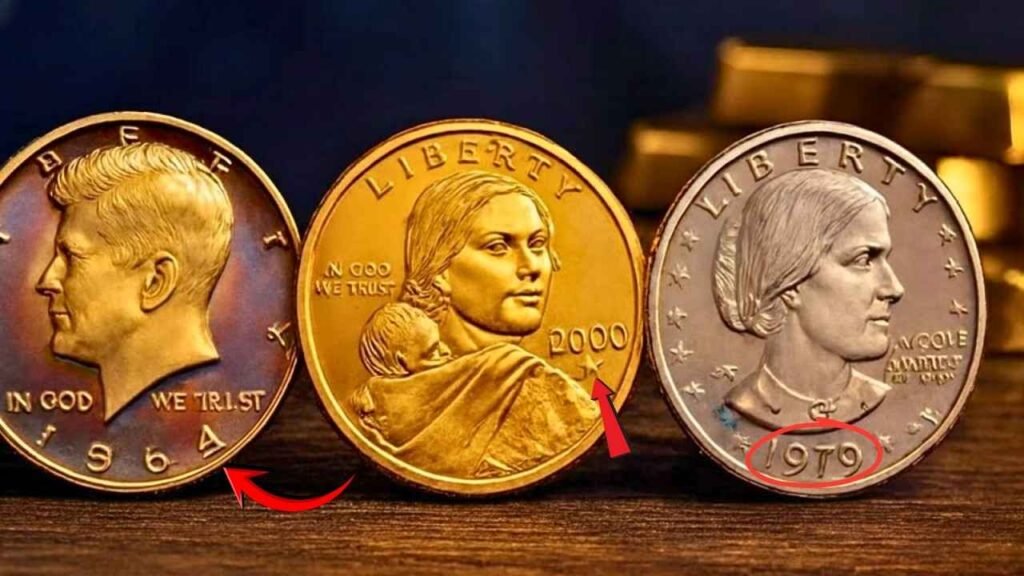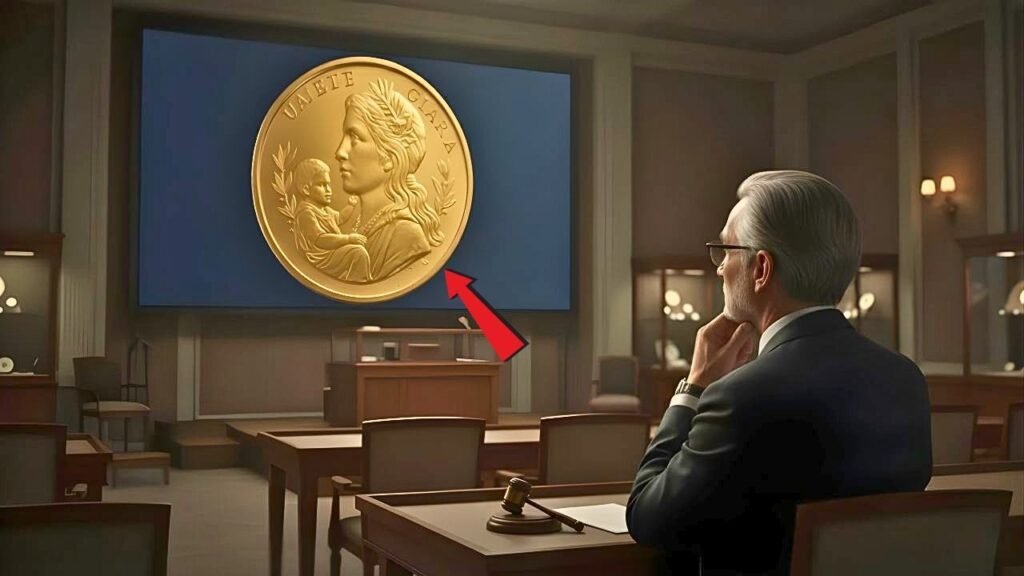
The Sacagawea dollar coin is a special U.S. one-dollar coin that honors Sacagawea, the brave Shoshone woman who helped explorers Lewis and Clark on their famous journey across America. Released in 2000, this golden-colored coin replaced the older Susan B. Anthony dollar because people found the older one too similar to a quarter. Most Sacagawea dollars you find in change are worth just $1, but some rare versions, special editions, and mistake coins (called errors) can be worth a lot of money—sometimes thousands or even more!
These rare finds make coin collecting exciting. In this guide, we explain the history, what makes some Sacagawea dollars valuable, key rare types, and tips for collectors. Whether you have coins in your pocket or want to start collecting, knowing these details can help you spot a treasure.
History of the Sacagawea Dollar Coin
The U.S. Mint created the Sacagawea dollar to make a better one-dollar coin. The Susan B. Anthony dollar looked too much like a quarter, so it did not work well in machines or daily use. The new coin has a bright gold look from a mix of metals including manganese brass.
- Front side (obverse): Designed by Glenna Goodacre, it shows Sacagawea carrying her baby son, Jean Baptiste.
- Back side (reverse): From 2000 to 2008, it featured a flying eagle by Thomas D. Rogers. Starting in 2009, the back changes every year to honor different Native American themes and achievements under the Native American $1 Coin Program.
Billions of these coins were made, but low numbers in some years, special promotions, or factory mistakes create rare and valuable ones.
Key Years and Mint Marks to Look For
Coins have tiny letters showing where they were made: “P” for Philadelphia, “D” for Denver, and “S” for San Francisco (often on proof coins for collectors).
Most years have high numbers made, so they stay at $1 value. But these stand out:
- 2000-P: The most famous year for rare types.
- 2000-D: Common but valuable in perfect condition.
- Later years (like some low-mintage Native American designs): Attract interest from collectors.
Proof coins (made specially for collectors with shiny, detailed surfaces) from San Francisco often sell for more.
Most Valuable Rare Varieties and Error Coins
Here are the top rare Sacagawea dollars that collectors hunt for. Values change based on condition (graded by services like PCGS or NGC), but here are approximate ranges from recent sales and guides.
1. 2000-P Cheerios Dollar
In 2000, the Mint put 5,500 special coins in Cheerios cereal boxes to promote the new dollar. These have sharper, more detailed feathers on the eagle’s tail (called “enhanced tail feathers” or Reverse of 1999 prototype). Very few survive in good shape.
- Value: Often $4,000 to $12,000 or more in high grade.
2. 2000-P Goodacre Presentation Dollars
Artist Glenna Goodacre got paid in special polished versions of her coin design. These look almost like proofs.
- Value: Up to $5,000+ in top condition.
3. 2000-P Wounded Eagle (or Speared Eagle) Variety
A die mistake left raised lines or gouges on the eagle’s chest, looking like a wound or spear.
- Value: Hundreds to thousands, with high-grade examples over $5,000 in past sales.
4. 2000 Sacagawea Mule Error (Most Famous Mistake)
The ultimate error: A coin got the front of a Washington quarter (George Washington) and the back of Sacagawea dollar by accident. Only about 11-20 known.
- Value: Many tens of thousands; some sold for over $100,000, with records up to six figures.
5. Other Errors
Mistakes like off-center strikes (design not in the middle), double dies (letters or details doubled), wrong planchet (struck on wrong metal blank), or experimental rinse (odd color from testing).
- Value: Hundreds to thousands, depending on how clear the error is.
Value Guide Table for Rare Sacagawea Dollars (Approximate 2026 Ranges)
| Coin Type/Variety | Year/Mint | Key Feature/Error | Typical Value Range (USD) | Notes |
|---|---|---|---|---|
| Cheerios Dollar | 2000-P | Enhanced eagle tail feathers | $4,000 – $12,000+ | Limited to ~5,500 made |
| Goodacre Presentation | 2000-P | Special polished finish | $2,000 – $5,000+ | Given to designer |
| Wounded Eagle Variety | 2000-P | Gouges on eagle’s chest | $500 – $5,000+ | Die variety, under 200 known |
| Mule Error (Quarter/Sacagawea) | 2000-P | Wrong obverse + Sac reverse | $50,000 – $150,000+ | Extremely rare, ~11-20 exist |
| Common Circulated | Any | Normal coin | $1 | Face value unless error |
| High-Grade Mint State (MS65+) | 2000+ | Perfect uncirculated | $5 – $50+ | Depends on grade |
| Proof Coins | 2000-S+ | Mirror-like collector version | $10 – $100+ | San Francisco mint |
Values come from auction records, grading services, and market trends. Always get rare coins checked and graded professionally.
Tips for Collecting Sacagawea Dollars
- Check your coins carefully: Use a magnifying glass in good light. Look for sharp details, odd lines, or mismatched sides.
- Focus on condition: Never clean coins—it lowers value. Keep them in holders to avoid damage.
- Buy smart: Get from trusted dealers, auctions, or shows. Certification (slabs) proves real and condition.
- Build a fun collection: Mix common ones, proofs, and hunt for errors. It is affordable and teaches history.
- Store safely: Use cool, dry places and protective cases to prevent scratches or tarnish.
Conclusion
The Sacagawea dollar is more than pocket change—it celebrates an important woman in American history and Native American heritage. While most are everyday $1 coins, rare varieties like the Cheerios dollar, Wounded Eagle, and especially the famous mule error show how small mistakes or special releases can create big value. In 2026, collectors still love these coins for their story, beauty, and potential rewards.
If you think you have a rare Sacagawea dollar, check the details, get it graded, and enjoy the thrill of discovery. Coin collecting connects us to history—one golden dollar at a time! Start looking today; your next find could be worth far more than $1.