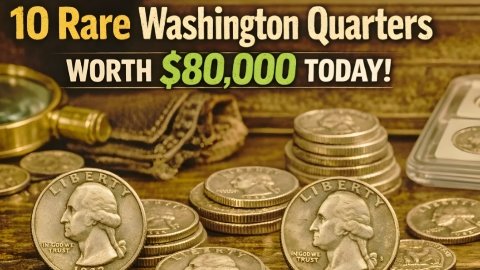
Have you ever checked your pocket change and wondered if a simple quarter could make you rich? Washington quarters, first made in 1932 to honor George Washington’s birthday, are still common today. But some rare ones from the early years can fetch huge sums at auctions. In 2026, with growing interest in coin collecting, these special quarters are more valuable than ever. This guide breaks down the top 10 rare Washington quarters, their estimated values, and tips on spotting them. Whether you’re a beginner collector or just curious, you’ll learn how low production numbers, minting mistakes, and perfect condition drive up prices.
A Quick History of Washington Quarters
Washington quarters replaced the Standing Liberty quarters in 1932. They feature George Washington’s profile on the front and an eagle on the back. From 1932 to 1964, they were made with 90% silver, which adds to their base value today due to silver prices. After 1964, the U.S. Mint switched to a cheaper metal mix because of rising silver costs. The early silver ones, especially those with low mintage or errors, are the stars for collectors. Over time, these coins have become symbols of American history, and their scarcity keeps pushing values higher in 2026.
What Makes a Washington Quarter Valuable?
Several things decide how much a quarter is worth. Here’s a simple breakdown:
- Rarity: Coins with few made, like those from certain mints, are harder to find.
- Condition: A coin in top shape (uncirculated or mint state) can be worth thousands more than a worn one.
- Minting Errors: Mistakes like doubled images or wrong mint marks make them unique and pricey.
- Silver Content: Pre-1965 quarters have real silver, worth about $4-5 just for the metal in 2026.
- Demand: More people collecting means higher auction prices.
Always get coins graded by experts like PCGS or NGC to confirm value.
Top 10 Rare Washington Quarters and Their 2026 Values
Based on recent sales and market trends, here are the 10 most valuable Washington quarters. Values can vary by condition, but we’ve included ranges for circulated (used) and uncirculated (like new) examples. These are estimates from auction records up to 2026.
| Coin Name | Year | Mint Mark | Mintage | Circulated Value | Uncirculated Value |
|---|---|---|---|---|---|
| 1932-D Washington Quarter | 1932 | D (Denver) | 436,800 | $80 – $500 | $1,000 – $143,750 |
| 1932-S Washington Quarter | 1932 | S (San Francisco) | 408,000 | $80 – $400 | $500 – $45,500 |
| 1949-D Washington Quarter | 1949 | D | Low for high grades | $10 – $100 | $500 – $43,475 |
| 1948 Washington Quarter | 1948 | None (Philadelphia) | Varies | $8 – $50 | $200 – $43,200 |
| 1955-D Washington Quarter | 1955 | D | Standard but rare in top condition | $8 – $40 | $100 – $40,800 |
| 1935-D Washington Quarter | 1935 | D | 5,780,000 | $8 – $50 | $200 – $38,400 |
| 1944-D Washington Quarter | 1944 | D | 14,600,800 | $8 – $30 | $100 – $38,400 |
| 1937 Washington Quarter | 1937 | None | 19,696,000 | $8 – $40 | $100 – $35,000 |
| 1950-D/S Overmintmark | 1950 | D over S | Error variety | $200 – $500 | $1,000 – $30,000+ |
| 1936-D Washington Quarter | 1936 | D | 5,374,000 | $9 – $50 | $500 – $20,000+ |
Details on Each Rare Quarter
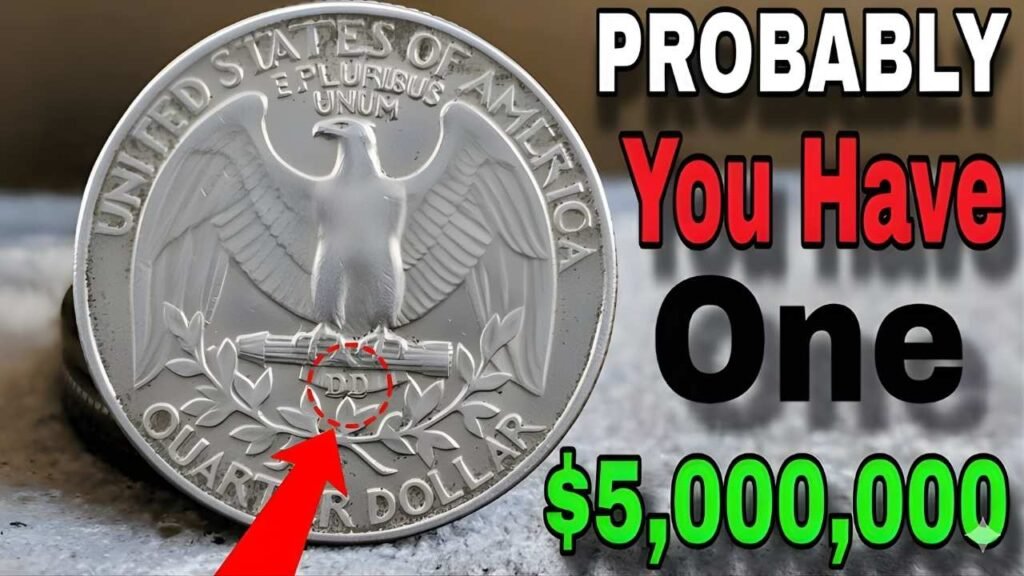
- 1932-D: This is the king of Washington quarters. Made in Denver during the Great Depression, few survived in great shape. Look for the “D” mint mark under the eagle. A top-grade one sold for over $140,000 recently.
- 1932-S: Another low-mintage gem from San Francisco. It’s a must-have for collectors building a full set. Even circulated ones start at $80, but pristine examples go for tens of thousands.
- 1949-D: Not super rare in numbers, but hard to find without wear. High-grade versions are prized for their sharp details.
- 1948: From Philadelphia (no mint mark), this year’s quarters shine in auctions when perfectly preserved.
- 1955-D: Common but valuable if it has full luster and no scratches. Errors like doubled dies boost the price.
- 1935-D: Early date with decent rarity in high grades. Check for strong strikes on Washington’s hair.
- 1944-D: Wartime quarter, often collected for history. Top conditions are scarce.
- 1937: Includes doubled die varieties where parts of the design look blurry or doubled, adding big value.
- 1950-D/S: A minting error where Denver’s “D” is stamped over San Francisco’s “S”. These overmintmarks are exciting finds.
- 1936-D: Key date due to lower production. Uncirculated ones show beautiful toning over time.
Tips for Finding and Selling Rare Quarters
Start by checking old coin rolls from banks or your family’s change jar. Use a magnifying glass to spot mint marks (tiny letters like D or S) and errors. Join online groups or visit coin shows for advice. When selling, use reputable auction houses or dealers. In 2026, apps and websites make grading easier, but professional certification is key to getting top dollar.
Conclusion
Washington quarters might look ordinary, but the rare ones listed here could turn a 25-cent coin into a small fortune. In 2026, with silver prices steady and collector demand rising, these 10 stand out as smart investments or fun discoveries. Remember, value depends on condition, so handle coins carefully. Whether you’re hunting in circulation or buying certified pieces, coin collecting is a rewarding hobby that connects you to history. Start checking your quarters today—you never know what treasure you might find!
FAQ
What is the rarest Washington quarter?
The 1932-D is often called the rarest due to its low mintage and high auction prices, reaching up to $143,750 in top condition.
How can I tell if my quarter is valuable?
Look for dates before 1965, mint marks like D or S, and errors like doubled designs. Get it appraised by a pro.
Are all silver Washington quarters worth money?
Yes, at least for their silver melt value (around $4-5 in 2026), but rare dates and conditions add much more.
Where can I sell rare quarters?
Try auction sites like Heritage Auctions, eBay (with certification), or local coin shops. Always verify the buyer’s reputation.
Do Washington quarters increase in value over time?
Yes, especially rare ones, as fewer survive and more people collect them. Market trends in 2026 show steady growth.