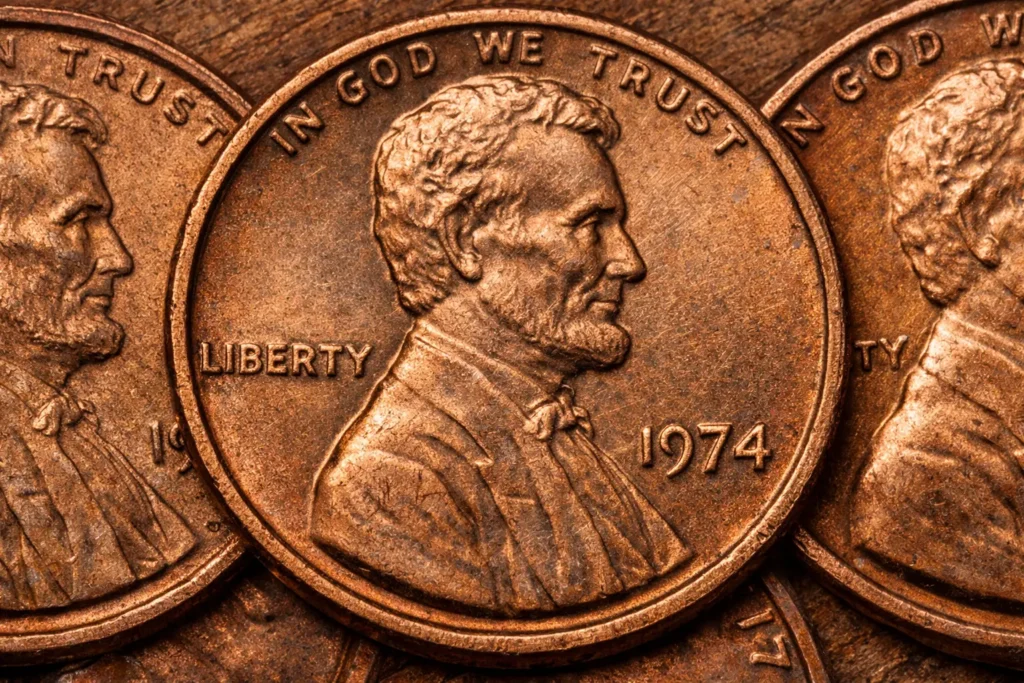
Top 14 Rare Lincoln Pennies Still in Circulation
Lincoln cents turn up in everyday change, but a few varieties are rare enough to be worth serious money. This guide lists the top 14 rare Lincoln pennies you might still encounter in circulation and explains how to identify them.
How these Lincoln pennies became rare
Rarity among Lincoln pennies comes from low mintage, mint errors, and notable die varieties. Some coins are rare because few were made, others because production mistakes created unusual features that collectors prize.
Quick identification checklist
- Check the date and mintmark carefully under good light or magnification.
- Look for doubling on letters or numerals (doubled die varieties).
- Note unusual planchet color (copper vs. steel) or shape (clipped planchets).
- Do not clean a potential rare coin; cleaning reduces value.
List of Top 14 Rare Lincoln Pennies Still in Circulation
The entries below mix classic low-mintage varieties and uncommon mint errors that still show up in change.
1. 1909-S VDB Lincoln Penny
This is one of the most famous rare Lincoln cents. Look for 1909 date, S mintmark, and VDB initials on the reverse near the rim.
2. 1909-S (No VDB)
The 1909-S without VDB is also scarce due to limited production at the San Francisco Mint. Position and clarity of the VDB initials (if present) help distinguish varieties.
3. 1914-D Lincoln Penny
The 1914-D is a low-mintage Denver coin that can be found in circulated grades. Check the date and D mintmark; value increases quickly with better condition.
4. 1922 Plain (No D) Lincoln Penny
Some 1922 cents were struck weakly or had overpolished dies that removed the D mintmark. A 1922 without a visible D is a well-known rarity worth inspecting closely.
5. 1931-S Lincoln Penny
The 1931-S has a relatively small mintage and is uncommon in circulation. Verify the small S mintmark and overall strike quality when assessing authenticity.
6. 1943 Bronze (Copper) Lincoln Penny
Most 1943 cents were struck on steel due to wartime copper needs; bronze examples are errors and rare survivors. A genuine 1943 bronze is highly collectible — color and weight are quick checks.
7. 1944 Steel Lincoln Penny
Conversely, a 1944 struck on leftover steel planchets is a known error. These are scarce and should be weighed and compared to normal cents to confirm composition.
8. 1955 Doubled Die Obverse Lincoln Penny
The 1955 doubled die obverse shows very strong doubling on the date and LIBERTY; it often appears as a shadowed duplicate. This variety is commonly sought after and commands premium prices in any grade.
9. 1969-S Doubled Die Obverse Lincoln Penny
The 1969-S doubled die obverse is a recognized variety with doubling on the date and lettering. San Francisco proof and business-strike variations exist, so inspect mintmarks and doubling closely.
10. 1972 Doubled Die Obverse Lincoln Penny
1972 DDO cents show clear doubling of letters on the obverse. These are easier to spot with magnification and are popular among variety collectors.
11. Repunched Mint Mark (RPM) Varieties
RPMs occur when the mintmark was punched more than once, leaving overlapping letters. They can appear on many dates and are often visible under magnification.
12. Off-Center Strikes
An off-center strike leaves part of the design missing and can be quite valuable depending on how far off-center it is. These errors are collectible and sometimes found in circulation.
13. Clipped Planchets
Clipped planchets show a missing curved section where the blank was cut. These are identifiable by the smooth rounded clip edge and can be produced in both modern and older issues.
14. Die Breaks and Cuds
Die breaks create raised lines or blobs of metal on the coin surface; cuds are larger raised areas near the rim. These defects can make otherwise common dates more interesting to collectors.
Some rare Lincoln pennies were created unintentionally when mint workers used the wrong planchet or when dies were misaligned. Those mistakes are often more valuable than the designer intended.
Case Study: Finding a Doubled Die in Pocket Change
A casual finder discovered a 1955 doubled die in a roll of change and took it to a coin shop. The shop confirmed the variety; the coin later sold at auction for tens of thousands of dollars to a specialist collector.
This example shows how careful inspection and proper authentication can turn a routine find into a significant discovery.
What to do if you find a rare Lincoln penny
If you suspect a rare penny, follow these practical steps: do not clean it, photograph it, and compare it to reference images under magnification. Use trusted catalogs or ask a reputable coin dealer for an initial opinion.
- Use a loupe or magnifier to check doubling, mintmarks, and planchet color.
- Weigh and measure unusual coins if you have a precise scale and caliper.
- For suspected high-value coins, consider third-party grading before selling.
Final notes
Many rare Lincoln pennies are still found in circulation, but proper identification matters. Use magnification, reference guides, and trusted experts to confirm a rare find rather than relying on a quick glance.
Careful handling and documentation will protect value and make it easier to sell or submit a coin for grading.